
A cough without fever can make a morning decision surprisingly difficult. Our Pre-Casa illness policy support guide explains the considerations behind staying home, illness pickup and returning to care. The goal is a clear plan, not a diagnosis at the classroom door.
Our Pre-Casa Illness Policy at a Glance
Illness attendance involves more than checking for fever. Symptoms, comfort, participation, care needs and illness-specific exclusion requirements all matter. An exclusion requirement is an instruction to stay away from care for a particular reason or period.
- Keep an unwell child home when symptoms prevent comfortable participation.
- Do not use the absence of fever as the only attendance test.
- Report an illness-related absence and relevant symptom information to your campus.
- Keep parents and authorized pickup contacts reachable during care.
- Follow the applicable return instructions, including any outbreak-specific requirements.
For your child’s attendance decision, contact your Vaughan or Bolton campus before arrival. We can explain the current written policy, the relevant return requirements and how to report an absence.
Should My Child Stay Home Today?
A child’s ability to manage the regular day matters alongside symptoms. Consider drinking, comfort, energy and the support they need. A child who cannot comfortably join meals, play and rest needs a different attendance assessment from a child with a mild lingering sniffle.
| Symptom or situation | Attendance planning action | Additional considerations | Return requirement to resolve |
|---|---|---|---|
| Fever with changed behaviour | Keep your child home while unwell. | Explain changes in energy, comfort and drinking. | The applicable fever-free requirement, including medication conditions. |
| Vomiting | Keep your child home while actively vomiting. | Record when it happened and any accompanying symptoms. | The relevant interval and its starting point. |
| Diarrhea | Keep your child home during active illness. | Describe the change from your child’s usual bowel pattern. | The applicable symptom-free interval and any infection-specific instructions. |
| New or worsening cough | Assess participation and applicable exclusion instructions before arrival. | No fever does not automatically mean ready for care. | Required symptom improvement and comfortable participation. |
| Mild lingering cough or runny nose | Consider the whole picture rather than the symptom alone. | Note energy, drinking, comfort and whether symptoms are improving. | Campus attendance instructions still apply. |
| Rash with other symptoms | Do not assume a rash is harmless or identify its cause yourself. | Report accompanying fever, discomfort or a diagnosed illness. | Any condition-specific exclusion instructions. |
| No fever, but marked tiredness | Keep your child home if they cannot manage the regular day comfortably. | Consider whether they need substantially different care or rest. | Comfortable participation as well as any illness-specific requirement. |
A mild lingering cough with usual play and drinking is different from a cough with marked fatigue. Neither example identifies the cause. The useful distinction is whether the child can participate comfortably and meets the applicable attendance requirements.
Breathing difficulty is a medical concern, not a routine daycare attendance question. Seek urgent medical help rather than bringing a child to care for assessment. The centre’s role is childcare, not diagnosis or medical triage.
When Can My Child Return to Pre-Casa?
There is no universal choice between 24 hours and 48 hours after sickness. These are different possible exclusion intervals, not interchangeable options. The relevant rule depends on the symptoms, diagnosed illness and any outbreak direction.
The starting point matters as much as the interval itself. A rule measured from the last vomiting episode differs from one measured from fever resolution. If symptoms recur, the earlier return calculation may no longer apply.
| Reason for absence | Timing starting point to establish | Other return considerations |
|---|---|---|
| Fever | When fever resolved without fever-reducing medication | Comfort, participation and the applicable fever-free interval. |
| Vomiting | The last episode, according to the applicable illness instructions | Drinking, participation and any longer infection-specific exclusion. |
| Diarrhea | The symptom endpoint defined by the applicable instructions | Bowel symptoms, care needs and any outbreak requirements. |
| Respiratory illness | The symptom-improvement point required by the applicable instructions | Energy, comfort, participation and any disease-specific direction. |
| Infection with treatment-related requirements | The treatment starting point specified for that infection | Treatment alone does not replace other attendance conditions. |
| Illness during an outbreak | The starting point specified in the outbreak instructions | Outbreak directions may differ from routine return arrangements. |
Fever reduced by medicine is not the same as being fever-free without medicine. A temporarily lower temperature does not establish that a fever-free attendance requirement has been completed. Share relevant medication timing when discussing return arrangements.
Before returning, prepare the following information:
- The last occurrence of vomiting, diarrhea or fever, as relevant.
- Whether symptoms have improved, stopped or returned.
- Whether your child can drink and participate comfortably.
- Relevant medication names and when they were given.
- Any diagnosis or illness-specific instructions already received.
- Any documentation required under the applicable return arrangements.
Starting antibiotics does not automatically permit a return to daycare. Antibiotics treat particular bacterial infections; they are not a general attendance clearance. Completing a prescription and meeting return requirements are separate matters.
Common Illnesses and Return-to-Care Requirements
Illness names do not replace attendance criteria. A cold, rash illness and stomach infection can involve different exclusion instructions. The table below identifies the information relevant to a return discussion; it is not a diagnostic chart or a substitute for the campus’s written requirements.
| Illness or condition | Stay-home consideration | Return criteria to resolve | Additional attendance information |
|---|---|---|---|
| Common cold | Comfort, energy and symptom severity | Required improvement and ability to participate | A lingering runny nose alone does not describe the child’s overall condition. |
| Influenza | Illness symptoms and ability to manage the day | Applicable respiratory and fever requirements | Report a diagnosis and relevant symptom timing. |
| RSV | Symptoms, care needs and participation | Applicable respiratory and illness-specific instructions | A cough cannot establish whether an illness is RSV. |
| COVID-19 | Current illness and applicable exclusion directions | Current symptom, testing or outbreak instructions, where applicable | Do not rely on an old pandemic-era return rule. |
| Strep throat | Diagnosed infection and applicable exclusion instructions | Any treatment-related requirement plus readiness for care | Starting antibiotics alone does not settle attendance. |
| Conjunctivitis, or pink eye | Eye symptoms, comfort and any diagnosed cause | Applicable condition-specific requirements | Not all pink eye is bacterial; antibiotics are not a universal requirement. |
| Hand-foot-and-mouth disease | Symptoms, comfort and care needs | Applicable illness-specific attendance criteria | A rash alone does not establish readiness or exclusion. |
| Chickenpox | Suspected or diagnosed infection | Applicable exclusion direction | Rash appearance does not mean infectiousness has ended. |
| Fifth disease | Symptoms and any diagnosis | Applicable attendance instructions | Share the diagnosis rather than relying on rash appearance alone. |
| Head lice | The condition and applicable attendance instructions | Any condition-specific treatment or attendance requirement | Do not assume the same exclusion rule as a fever or stomach illness. |
| Measles | Suspected or diagnosed infection | Specific public health direction | Arrange attendance guidance before any return to the classroom. |
| Rubella | Suspected or diagnosed infection | Specific public health direction | Routine cold-return assumptions do not apply. |
COVID-19, influenza and RSV can produce overlapping respiratory symptoms. A cough or runny nose cannot identify which infection is present. Attendance decisions must account for the applicable symptom requirements and any current testing or outbreak instructions.
An infectious period and an exclusion period describe different things. Infectiousness concerns whether an infection can spread; exclusion concerns when attendance is restricted. A parent should not calculate a return date from a general description of contagiousness alone.
If Your Child Becomes Ill During the Day
Illness can first become noticeable after lunch, nap or outdoor play. The timing does not establish its cause. For a parent receiving an illness call, the useful information is what changed, when it began and what pickup or follow-up action is needed.
Use this family pickup sequence when the centre requests collection:
- Note the symptoms described and when staff observed them.
- Clarify the requested pickup arrangements and expected arrival.
- If you cannot collect your child, arrange an authorized alternate through the campus process.
- Make sure the collecting adult has the information needed for authorized pickup.
- Record the relevant symptom timing for the return-to-care discussion.
An emergency contact and an authorized pickup person are not necessarily interchangeable. Keep both sets of details current and understand who may collect your child. This helps families prepare for a situation where a parent cannot be reached or cannot leave work.
Routine illness collection and an urgent medical situation require different responses. Pickup arrangements do not replace emergency care. Your campus’s illness and emergency procedures explain staff responsibilities, communication and supervision while a child remains in care.
Before Drop-Off and After a Sick Day
A useful symptom update includes timing and changes, not just “a little under the weather.” Describe what happened overnight, whether symptoms are improving and whether medication could be affecting their appearance.
Before leaving home:
- Review symptoms since the previous day, including any recurrence.
- Consider drinking, comfort, energy and participation in the regular routine.
- Apply the relevant exclusion and return instructions.
- Prepare symptom and medication information for the campus.
- Keep your phone and authorized alternate contacts reachable.
Reduced appetite does not have a universal safe waiting period. A child’s age, illness, fluid intake and overall condition affect the significance of poor intake. Do not use a number of hours without food as a daycare readiness test; concerns about intake belong with the child’s healthcare professional.
Medication use and permission to attend are separate issues. Giving medicine at home does not remove an exclusion requirement, and bringing medicine does not establish authorization for staff to administer it. Follow the centre’s medication arrangements rather than assuming a verbal message is sufficient.
Public Health Guidance, Campus Requirements and Outbreaks
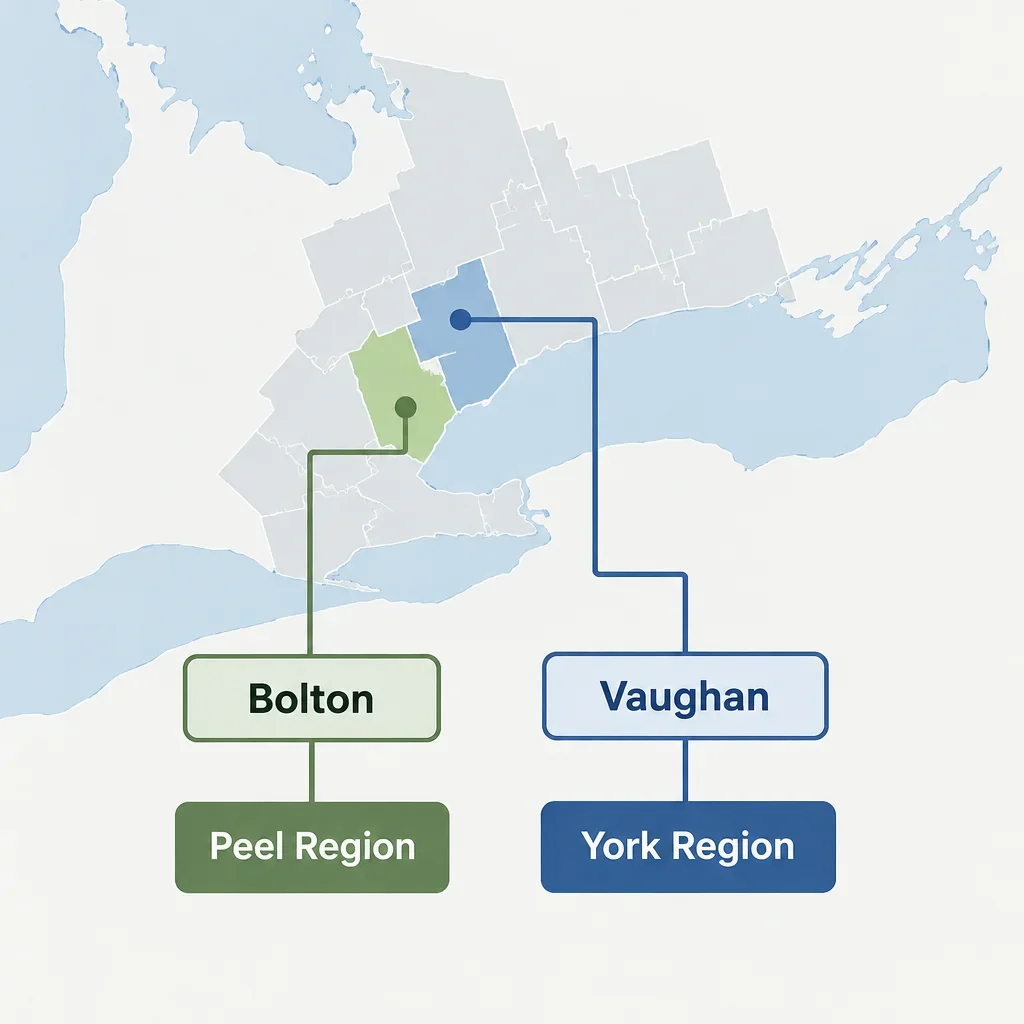
Vaughan falls within York Region Public Health’s jurisdiction, while Bolton falls within Peel Public Health’s jurisdiction. Families comparing daycare illness policies in Vaughan and Bolton should use the instructions applicable to their own campus, rather than assuming another municipality’s guidance applies.
Outbreak directions can change attendance requirements for the affected setting. A routine return arrangement may therefore differ from the instructions issued during an outbreak. Use the current campus communication rather than a previous illness experience to plan attendance.
Children’s and staff members’ return requirements should not be assumed identical. Their roles and applicable directions can differ. Similarly, an instruction for one campus or age group should not automatically be transferred to another.
Pre-Casa Illness Policy FAQs
Cough without fever
No fever does not automatically mean a child can attend. A mild lingering cough with comfortable participation differs from a worsening cough with marked tiredness. Applicable respiratory and outbreak requirements still matter.
Time at home with a cold
A cold does not have a universal daycare exclusion measured in days. Symptom improvement, comfort, participation and applicable attendance directions determine the return decision, rather than the date the runny nose began alone.
Fever lowered by medication
A temperature lowered by fever-reducing medicine does not demonstrate a medication-free, fever-free period. Use the applicable return requirement and share when the medicine was given.
Antibiotics, doctor’s notes and test results
Antibiotics, a doctor’s note and a test result serve different purposes. None should be assumed to replace the applicable attendance requirements. Documentation and testing requirements depend on the illness and current directions.
Pink eye and hand-foot-and-mouth disease
Neither condition should be assigned an automatic return rule based on its name alone. Symptoms, care needs and applicable condition-specific requirements matter. Pink eye also has different possible causes, so antibiotics are not a universal solution.
The written policy or a PDF copy
The current written illness policy is the reference for campus-specific exclusion, pickup and return arrangements. When requesting a copy, specify your campus and Pre-Casa program so the information matches your child’s care setting.
Discussing Pre-Casa Care With Us
For enrolled families, contact your campus about an illness-related absence or the current written policy. If you are considering Pre-Casa, you are welcome to arrange a Vaughan or Bolton tour and discuss health routines, staffing and the daily program. A visit is a practical way to understand how we organise care before your child starts.